Humanities Elegance

24

2021-04

Charming April, Soaring into Springtime Adventures — Wuhan Huakang Century Company Organizes Employee Trip

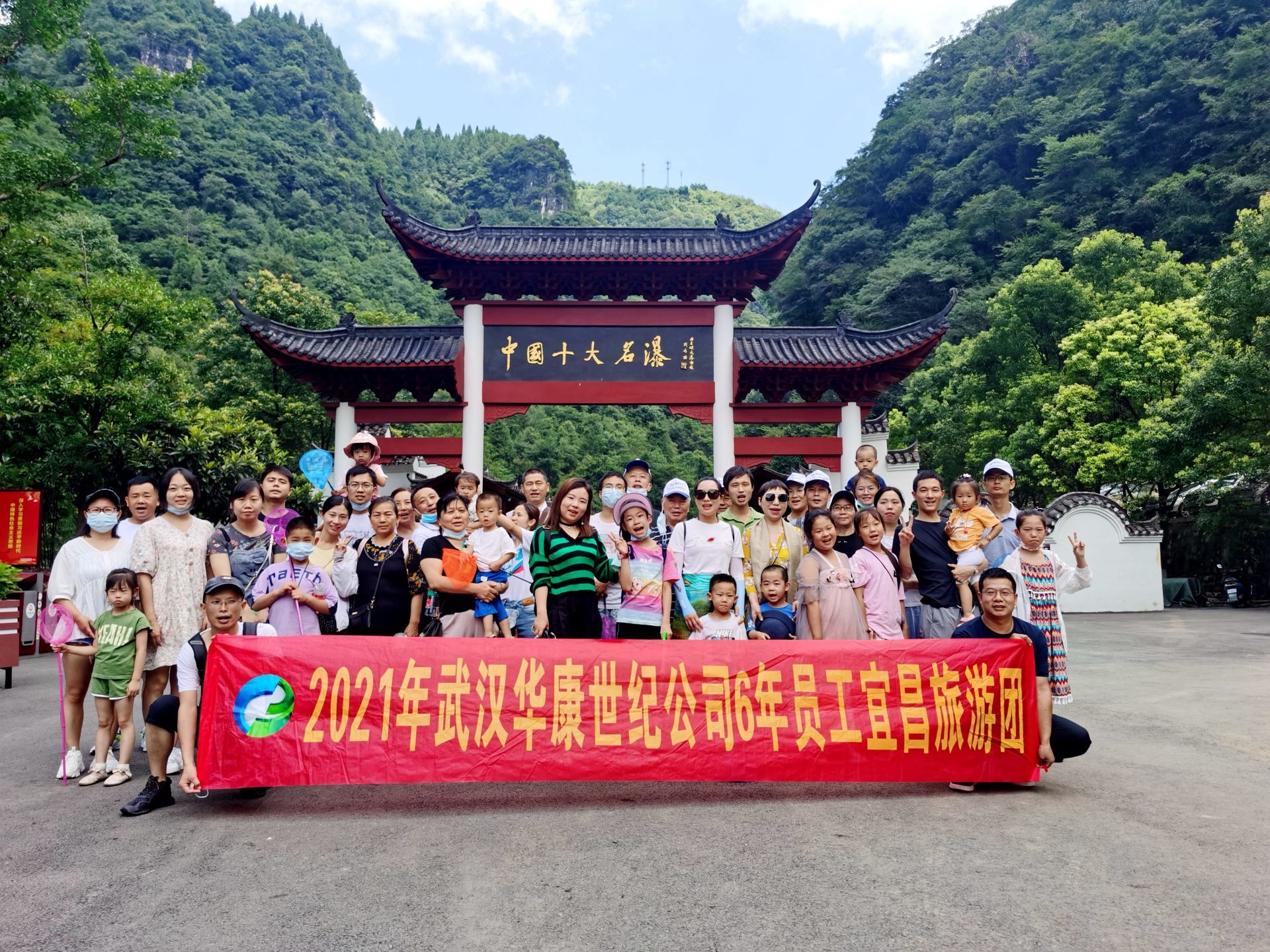
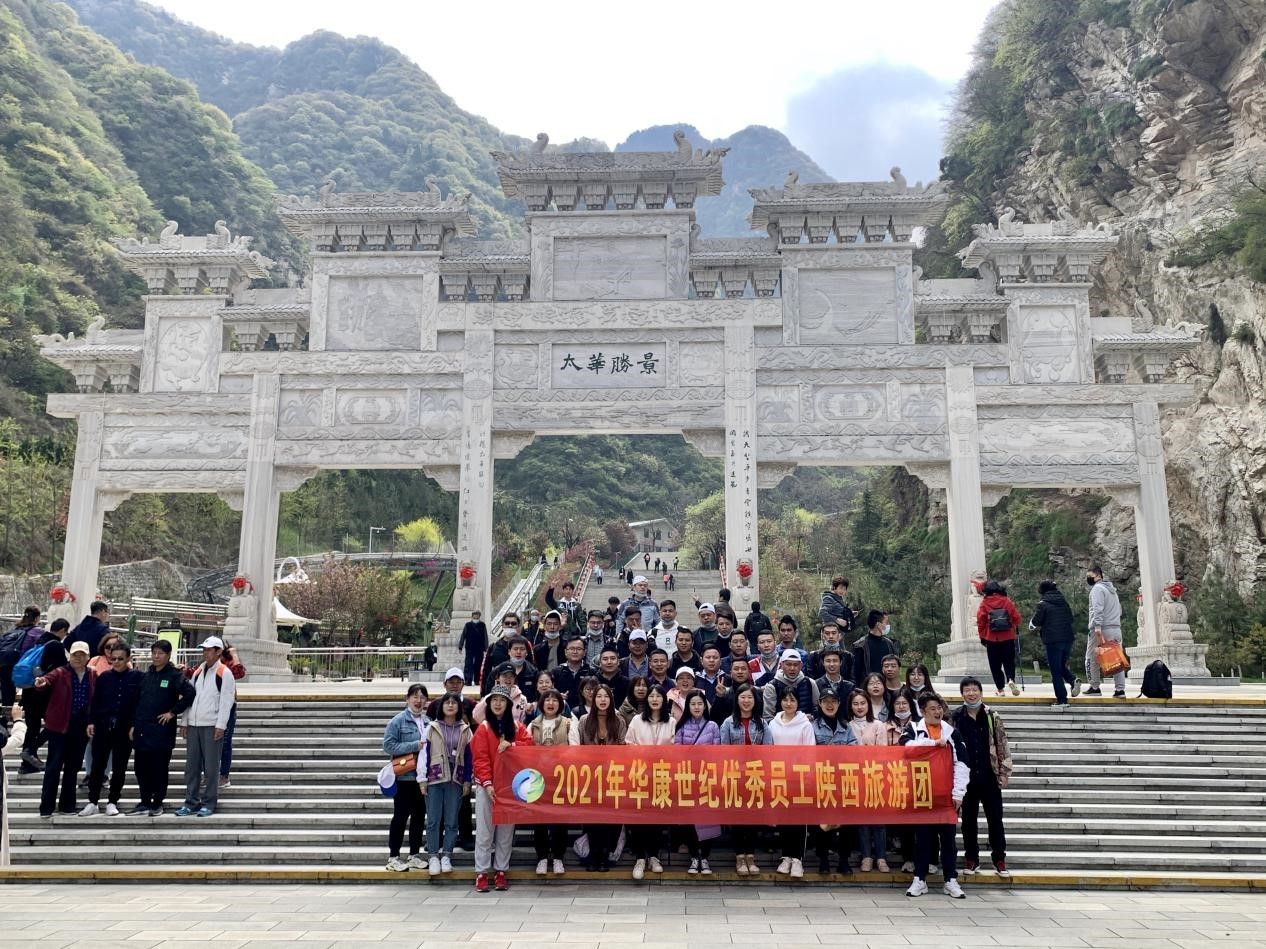
April—the most beautiful month of the year—truly lives up to its name, making the most of spring’s vibrant beauty and fleeting moments. To allow employees to share in the company’s growth achievements, strengthen employee benefits, and enhance their sense of happiness and fulfillment, the company organized three separate trips from April 8 to 18, taking a total of 114 outstanding annual employees and 11 long-term staff members (with over three years of service) to Shaanxi, Jiangsu & Zhejiang, and Huangpi. In historic Shaanxi, employees visited the Terracotta Warriors Museum, marveling at China’s rich cultural heritage, and trekked up Mount Hua, experiencing its breathtakingly steep and awe-inspiring terrain. Meanwhile, in the picturesque water towns of Jiangnan, they enjoyed a serene boat ride on West Lake, captivated by the shimmering emerald waters and stunning natural scenery. They also explored the exquisite gardens of Lingering Garden and the charming ancient town of Zhouzhuang, where winding canals, quaint bridges, and lush greenery seemed to transport visitors into a dreamlike realm. At the enchanting Mulan Tianchi Lake, bathed in the golden glow of spring, the breathtaking landscapes left everyone spellbound, creating memories that will linger long after the trip ends. This employee tour received high-level attention from company leadership, which carefully prioritized employee input—from scheduling and task allocation to budget planning. A dedicated team of three leaders was assembled to oversee, coordinate, and ensure seamless service for each group, laying a solid foundation for a safe, healthy, respectful, and collaborative travel experience. Through this journey, employees not only marveled at the breathtaking beauty of our nation’s diverse landscapes but also deepened bonds of camaraderie and mutual support. It provided a much-needed escape from work pressures while reigniting their passion and enthusiasm for their roles. Participants unanimously expressed their commitment to staying focused, working diligently, and contributing their wisdom and talents to the continued success and healthy development of Huakang Century.

For more details >

01

2019-09

Liang Qingsong, a pioneer in job rotation: Born as an engineer, he excels in project settlement.

On September 1, 2019, Liang Qingsong, Deputy Manager of the Engineering Management Department, began concurrently serving as Deputy Manager of the Pre-Settlement Department. In this new role, he will also assist the head of the Pre-Settlement Department in overseeing the external audit and settlement processes for key, complex projects. Recently, during an interview with our editor, Liang Qingsong shared insights into his previous responsibilities in the Engineering Department. There, he was primarily responsible for overall project management across the company’s assigned projects. This included monitoring construction progress, coordinating material supply, guiding external change orders and addendums, helping resolve on-site challenges, and ensuring timely project payments. After transitioning to the Pre-Settlement Department, Liang Qingsong now focuses on facilitating swift external audits by engaging in negotiations and communication with external settlement and auditing teams. Regarding the adjustment period required to adapt to his new role, he noted that while mastering professional settlement tasks takes about five weeks, fully grasping all relevant duties within his scope may demand even more time—especially when it comes to specialized aspects of settlement work, which will require additional learning. The implementation of the job rotation system has already yielded remarkable results. Currently, this approach is widely adopted by several major high-tech companies and renowned multinational corporations, such as Google, Lenovo, Huawei, Siemens, Haier, and BenQ. At Huakang, too, the job rotation system has been successfully launched—and with impressive outcomes. Does starting a new role in the Pre-Settlement Department mean Liang Qingsong has to begin from scratch? Not at all. As someone with an engineering background, his transition to the settlement department actually positions him well to bring the Engineering Department’s effective management practices into the Pre-Settlement Division. By applying proven problem-solving methodologies, he aims to steer the department toward even greater efficiency and innovation. While the Engineering Department and the Pre-Settlement Department operate independently yet remain closely interconnected, Liang Qingsong now approaches his new role with a fresh perspective. He’s focusing intently on optimizing the departments’ operational workflows, refining strategies for tackling challenges, and proactively addressing potential issues before they arise. Notably, he has spearheaded the development of standardized procedures to ensure smoother handoffs between the two departments—specifically addressing common pain points like incomplete or inconsistent documentation. To tackle one of the most persistent headaches between the Engineering and Pre-Settlement Departments—the cumbersome process of transferring project documentation—Liang Qingsong collaborated with relevant department heads to strike a balance between the two teams’ needs. Together, they crafted a comprehensive "Completion Settlement Document Handover Checklist," clearly outlining the essential documents that the Engineering Department must provide to the Pre-Settlement Department. For routine documentation, a standardized form has been established, while special or unique materials are given two opportunities for supplementary submission. This streamlined approach not only saves the Engineering Department valuable time preparing documents but also significantly boosts the efficiency of the Pre-Settlement team, ultimately resolving longstanding disputes over document handovers. In addition to these practical improvements, Liang Qingsong has proposed hiring an assistant to further enhance departmental productivity. The addition of an assistant has already accelerated the workflow of field-based settlement personnel, enabled centralized document management, improved inter-departmental communication, and empowered department leaders to focus more effectively on strategic priorities. Moreover, the assistant will maintain detailed records to evaluate the accuracy and completeness of each settlement specialist’s work, helping prevent critical omissions or errors. Psychological research suggests that individuals who remain in the same role for extended periods—even those originally highly creative—tend to gradually lose their sensitivity to their job’s nuances. In contrast, job rotation provides employees with a “fresh start,” allowing them to approach their work with renewed energy and creativity. From an outsider’s perspective, this shift can spark innovative thinking and open up new avenues for growth. Additionally, employees can leverage their accumulated experience and knowledge from previous roles to refine and elevate their current tasks. Dr. Zhu Yongming, Vice Dean of the School of Management Engineering at Zhengzhou University, emphasizes: “I firmly believe that every individual should continually embrace new experiences. After working in the same position for two or three years, employees should be encouraged—or even required—to rotate to different roles.” Looking back on his own experience with job rotation, Liang Qingsong notes a significant shift in his mindset. He now places greater emphasis on fostering mutual understanding and open communication between the two departments. Effective collaboration between the Engineering and Pre-Settlement teams hinges on deepening mutual comprehension and strengthening cross-departmental partnerships—always with the goal of resolving issues efficiently. This approach ensures smoother, more transparent communication across both departments. In summary, job rotation offers two key benefits: First, it nurtures versatile talent by enabling employees to gain firsthand experience in other roles, broadening their knowledge base and equipping them with a deeper understanding of how the entire organization operates. This, in turn, empowers employees to acquire new skills, driving the development of well-rounded professionals. Second, job rotation promotes healthy employee mobility, enhances communication and teamwork, fosters greater mutual understanding between departments, encourages empathy and perspective-taking, and ultimately strengthens internal collaboration within the company. As a result, job rotation not only cultivates adaptable, multi-skilled professionals but also facilitates a more dynamic and cohesive organizational culture—one that thrives on continuous learning, innovation, and seamless cooperation across all levels.

For more details >
< 123 >